Italian writer Alessandro Manzoni, was related to Pozzuolo, where he owned houses and land, including a property located between present via Alessandro Manzoni, via suor Leoni, and via don Pietro Villa. In 1890, this property became “the nuns’ nursery school (and residence). The land was acquired by Manzoni’s great-grandfather, Alessandro, and passed down to his grandfather Paolo, then to his father Pietro, and finally, in 1807, to Alessandro himself. In the 1850 land registry, Manzoni’s property is listed in 23 maps, covering approximately 85,000 square meters. Map 448 refers to the building that will become a nursery school, described as a “First-class house, in mediocre condition.”.
In 1816, “Nob. Don Alessandro Manzoni” was listed among Pozzuolo’s “estimati” and became a member of the board delegating the village administration to the tenants. In 1817, Manzoni’s tenant Ambrogio Osculati declared that he owned three horses, four cows, and other goods worth a total of 2,000 Austrian lire. Thanks to his prestige, Manzoni even managed to limit the financial damage caused to the family by his prodigal children.
Manzoni never lived in Pozzuolo, but he was certainly familiar with this area, which he described in his work “The Betrothed” while reporting Renzo’s flight from Milan.
But how did Manzoni’s house become the nuns’ nursery school? After Alessandro Manzoni’s death in 1873, his assets were sold off. In 1889, at a time when the Church sought to address the social and religious needs of the rural poor, Father Pietro Villa, an enterprising priest, bought the house in order to use it for charitable purposes, in particular to create a children’s preschool. This was a remarkable resolution in the anticlerical, political context of unified Italy.
In 1888, Father Villa met Father Ercole Riva from Brentana, and together they decided to send to Pozzuolo three nuns from Madre Laura Baraggia’s order: sister Gertrude, Sister Catherine, and Sister Teresa Leoni. So Manzoni’s former house became a nursery school. Sister Teresa, who was not yet 19 at the time, stayed in Pozzuolo for 68 years, until her death in 1958. Her figure witnesses to the deep-rooted presence of the Brentana nuns in Pozzuolo.
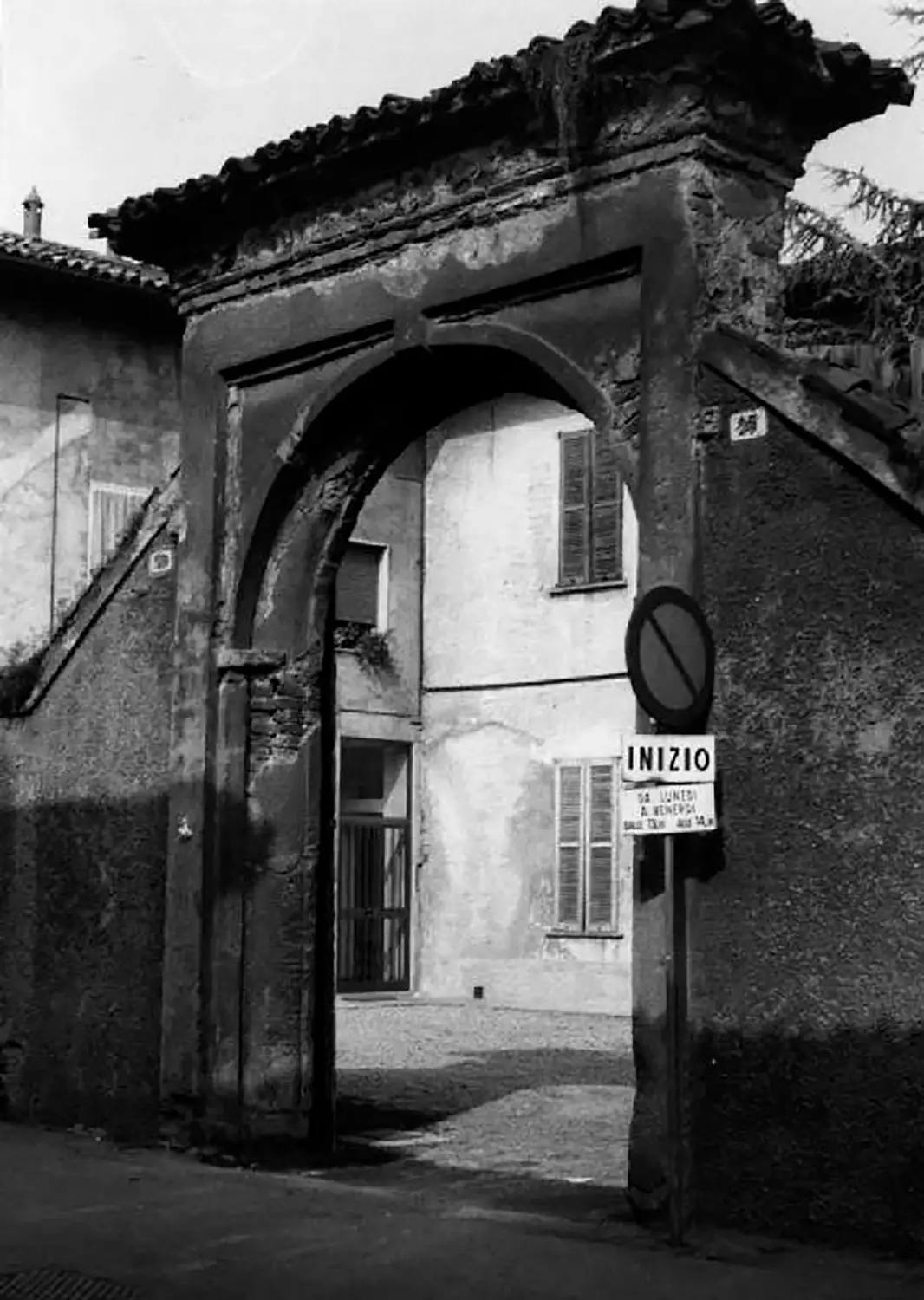
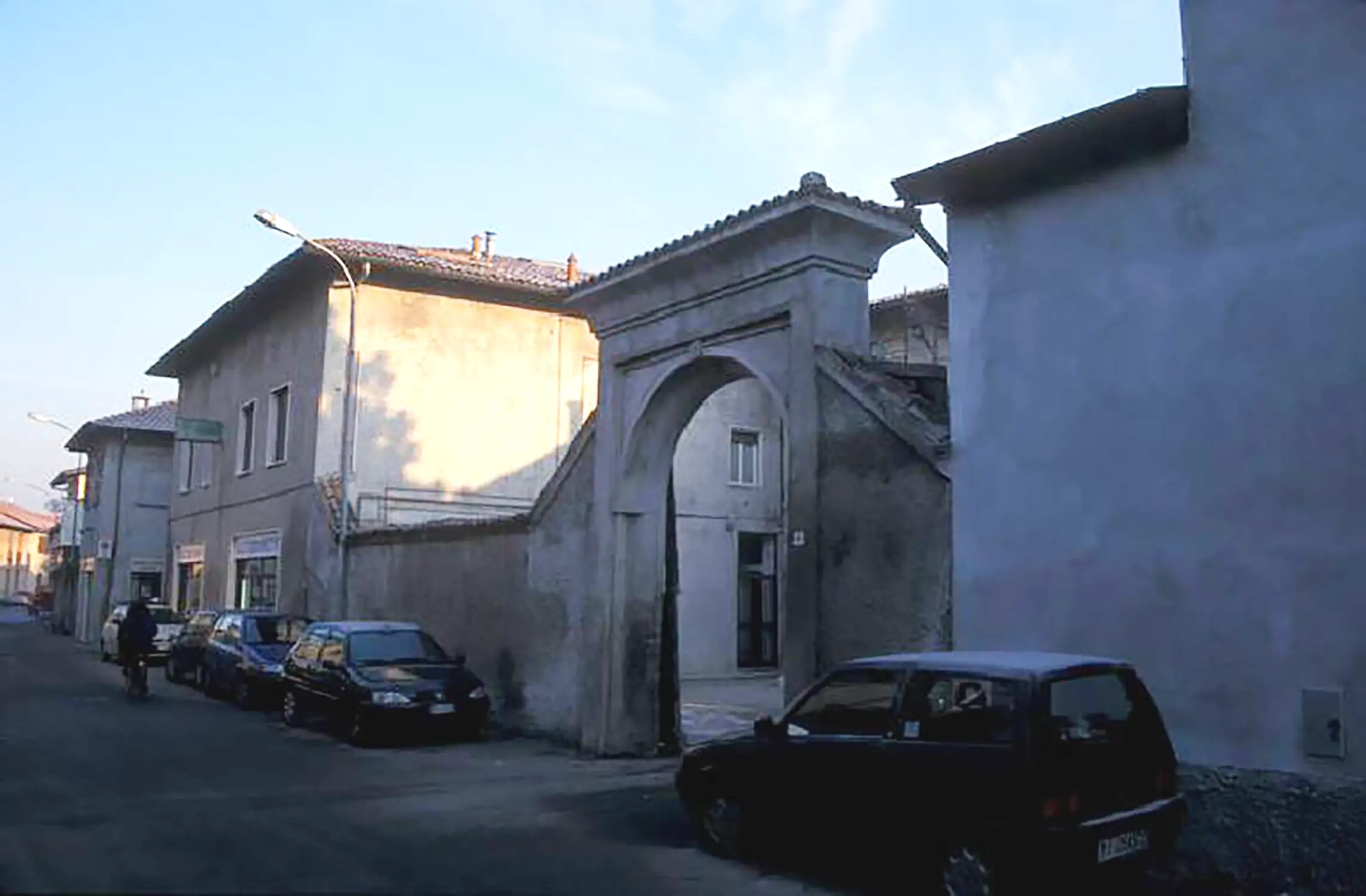
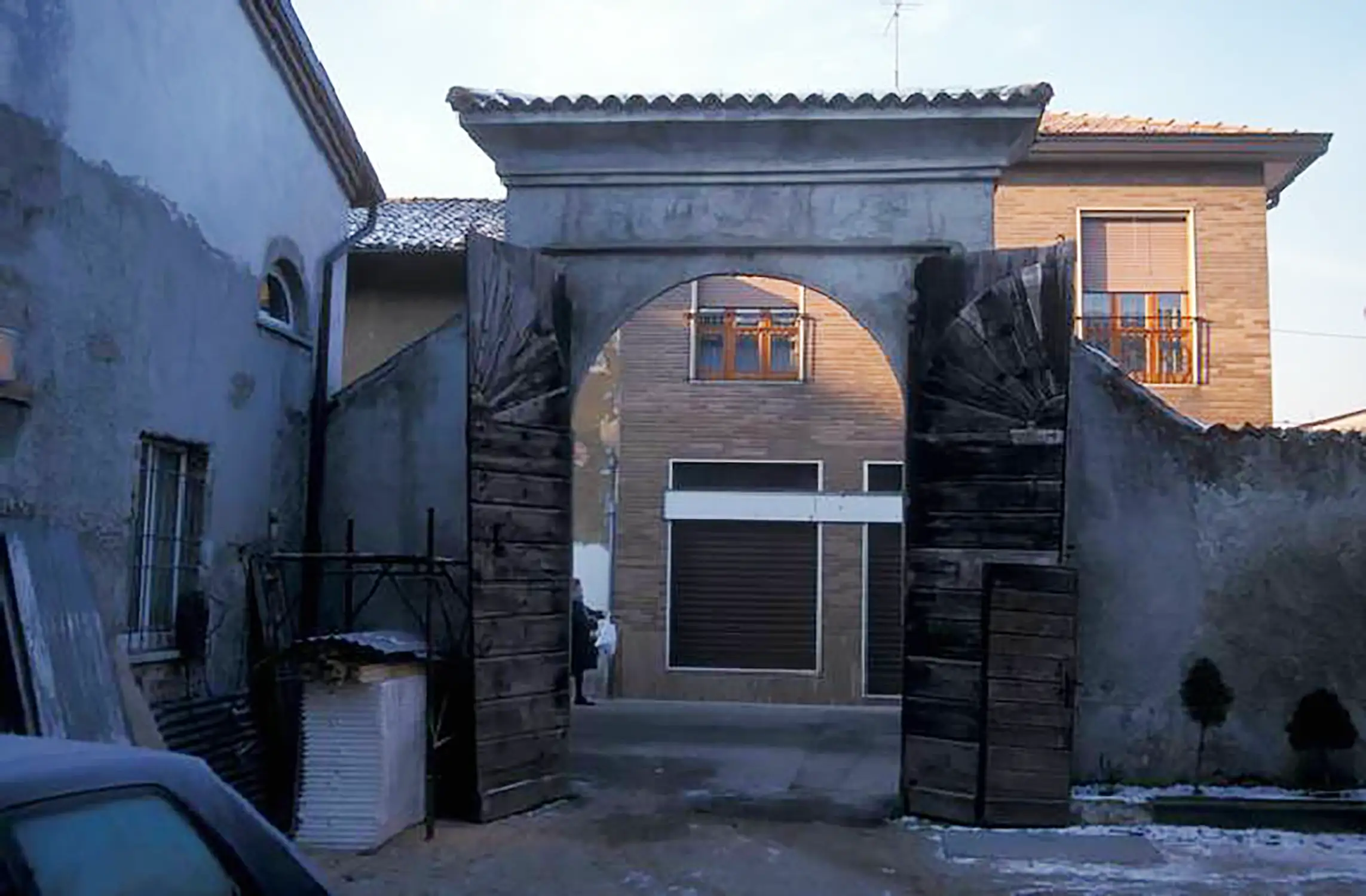
Pozzuolo also hosts the 17th century Suardi De Conturbia Palace. Classified as a residential villa, the palace features an “L” shape, a masonry structure and an imposing entrance gate. Once a noble residence, today it is still used as a summer residence. Listed among the Martesana’s “beauties“, the Suardi De Conturbia Palace is acknowledged as one of the architectural landmarks in town.
The name “Suardi, De Conturbia” refers to the noble families who are likely to have owned the palace, without being directly involved in Pozzuolo’s political life.
This is a further example of the presence of noble families in the area in the 17th century. The palace is listed in the 1721 land registry of Carlo VI and mentioned in the book “Ville della provincia di Milano”. It is not a museum and public access to it is limited.